

Struggling with Bloating, Constipation, or Hunger? Here’s Why Fiber Could Be Your Missing Link

What if the answer is simply to add more beneficial foods to your diet?
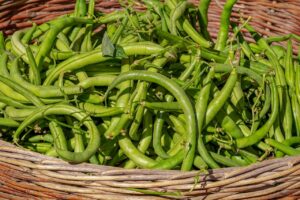
Let’s talk about one of the most overlooked yet essential components of good digestive health: fiber—the number one nutritional deficiency in the American diet. Fiber is found in foods that are widely accessible and affordable. Every single plant contains fiber: fruits, vegetables, whole grains, seeds, nuts, legumes—and even mushrooms, which, though technically fungi, also contribute.
“Every plant will offer a mix of diverse types of fiber that include both soluble and insoluble fiber and have varying degrees of fermentability and viscosity.”(Bulsiewicz, 2023)
This is an important concept to keep in mind. Don’t get bogged down in the biochemistry—just remember that all plant matter contains fiber, in varying amounts.
The most recent data from the National Health and Nutrition Examination Survey (NHANES) indicates that only 4% of adult men and 12% of adult women are consuming adequate fiber. When pooling results across all Americans, including children and adults, only 6% are meeting their daily fiber requirements (Bulsiewicz, 2023).
That’s astonishing—only 6% of Americans are meeting their daily fiber needs!
The U.S. National Academy of Medicine recommends 14 grams of fiber for every 1,000 kilocalories consumed—about 30–38 grams per day for most men and 21–25 grams per day for most women (Trumbo et al., 2002).
I’ve worked with many clients for whom fiber was the major missing piece in their health journey. One client in particular comes to mind—a woman in her late 30s who came to me for help with chronic constipation. She had struggled with it since childhood and had even visited the ER multiple times for fecal impaction. Laxatives had become a long-term part of her routine.
At the time, she held a high-stakes, sedentary job that required intense focus and didn’t allow for regular bathroom breaks. As a result, she structured her meals and water intake around her workday: drinking very little water in the morning and afternoon, eating a light breakfast, skipping lunch due to time constraints, and frequently eating out because she didn’t have time to cook. Her diet was highly processed, low in whole grains, fruits, and vegetables—essentially a Standard American Diet.
“So you’re telling me I need to eat vegetables every day?”“Yes, you got it!” I replied.
As you’ll see below, vegetables aren’t the only source of fiber—but they are a great one. She’s doing great now, and I’m grateful that her fixes were simple and didn’t require more intensive intervention.
Breaking Down Fiber
Soluble Fiber
Soluble fiber dissolves in water and forms a gel-like substance in the digestive tract. This helps slow digestion and keeps you full longer. Soluble fiber is generally fermentable, which means it feeds the gut microbiota and produces beneficial byproducts.
One of these byproducts is butyrate, a short-chain fatty acid (SCFA) that:
-
Nourishes colon cells (enterocytes)
-
Regulates inflammation and immune function
-
Helps maintain mucosal barrier integrity
SCFAs are considered the most important metabolites produced by the gut microbiome. One fascinating fact: SCFAs stimulate the release of GLP-1.
GLP-1 slows gastric emptying, enhances glucose-dependent insulin release, promotes early satiety, and reduces food intake. This is the mechanism behind medications like semaglutide (Ozempic, Wegovy). A 28-day high-fiber diet study showed increased post-meal GLP-1 levels, with improved HbA1c levels attributed to changes in the gut microbiome and increased butyrate (Bulsiewicz, 2023).
Other benefits of soluble fiber include:
-
Binding bile acids to lower LDL cholesterol and reduce cardiovascular risk (Brown et al., 1999)
-
Slowing glucose absorption to improve blood sugar control and insulin sensitivity (Weickert & Pfeiffer, 2008)
-
Supporting appetite regulation and weight management by increasing satiety (Solah et al., 2016)
-
Easing constipation by softening stools (Slavin, 2013)
-
Lowering systemic inflammation (Ma et al., 2006)
-
Potentially reducing the risk of colorectal cancer (Louis et al., 2014)
Soluble Fiber Sources (Aim for ~10g/day):
-
Oats: ½ cup dry (1 cup cooked) = ~2g
-
Barley: 1 cup cooked = 2–3g
-
Legumes: 1 cup cooked (chickpeas, black beans, lima beans) = 2–3g
-
Sweet potatoes: 1 medium = ~2g
-
Jerusalem artichokes: 1 cup cooked = 2–3g
-
Unripe bananas: 1 medium = ~1.5g
-
Apples/pears (without skin): ~1–1.5g
-
Citrus fruits (e.g., oranges): ~1.8g
-
Carrots: 1 medium = ~1.1g
-
Psyllium husk: 1 tbsp = ~5g
-
Onions/garlic: small amounts = inulin + FOS
Insoluble Fiber
Insoluble Fiber Sources (Aim for ~20g/day):
-
Wheat bran: ¼ cup = ~6g
-
Brown rice: 1 cup cooked = ~2.4g
-
Whole wheat pasta: 1 cup = ~3.5g
-
Quinoa: 1 cup = ~2.5g
-
Bulgur: 1 cup = ~4.2g
-
Carrots (raw): 1 medium = ~2g
-
Green beans (cooked): 1 cup = ~2.7g
-
Cauliflower (raw): 1 cup = ~2.1g
-
Zucchini (with skin): 1 cup = ~1.3g
-
Broccoli (cooked): 1 cup = ~2.4g
-
Apples/pears (with skin): ~2.8–3.1g
-
Prunes (5 pieces): ~2.5g
-
Raisins (¼ cup): ~1.3g
-
Dates (3 Medjool): ~2g
-
Almonds (1 oz): ~2.8g
-
Sunflower seeds (1 oz): ~2g
-
Lentils, pinto beans, black beans: ~9–10g per cooked cup
If you choose to consume psyllium husk for additional fiber, here’s a recommended method: Add the recommended amount to water, let it sit for about five minutes until it becomes gloppy, then drink it. Ideally, take it 5–10 minutes before a meal.
A Fun Challenge
A fun challenge I often give my clients is to aim for at least 30 different plant foods per week. This includes fruits, vegetables, legumes, whole grains (such as quinoa, buckwheat, oats, barley, wheat berries, and whole grain bread), nuts and seeds, and even herbs and spices.
This recommendation is based on a study that compared the microbiomes of participants who consumed more than 30 plant foods per week with those who ate fewer than 10. The researchers found that those who ate a greater variety of plant types had significantly more diverse gut microbiomes. Interestingly, they also had fewer antibiotic resistance genes in their microbiomes. The theory is that different types of dietary fibers and resistant starches support a more diverse microbial community (McDonald et al., 2018).
I hope this post has sparked your curiosity about the foods you eat every day and inspired you to find simple ways to add more fiber to your diet. Fiber is one of the most accessible and powerful tools available for supporting digestion, gut health, metabolic wellness, and beyond.
The best part? It’s naturally found in everyday whole foods.
Your gut—and your entire body—will thank you.
References:
-
Brown, L., Rosner, B., Willett, W. W., & Sacks, F. M. (1999). Cholesterol-lowering effects of dietary fiber: a meta-analysis. The American Journal of Clinical Nutrition, 69(1), 30-42.
-
Bulsiewicz, W. J. (2023). The Importance of Dietary Fiber for Metabolic Health. American Journal of Lifestyle Medicine. PMC10498976
-
Louis, P., Hold, G. L., & Flint, H. J. (2014). The gut microbiota, bacterial metabolites and colorectal cancer. Nature Reviews Microbiology, 12(10), 661-672.
-
Ma, Y., Griffith, J. A., Chasan-Taber, L., Olendzki, B. C., Jackson, E., Stanek, E. J., … & Ockene, I. S. (2006). Association between dietary fiber and markers of systemic inflammation in the Women’s Health Initiative Observational Study. The Journal of Nutrition, 136(3), 632-640.
-
McDonald, D., Hyde, E., Debelius, J. W., Morton, J. T., Gonzalez, A., et al. (2018). American Gut: an Open Platform for Citizen Science Microbiome Research. mSystems, 3. https://doi.org/10.1128/msystems.00031-18
-
Slavin, J. (2013). Fiber and prebiotics: mechanisms and health benefits. Nutrients, 5(4), 1417-1435.
-
Solah, V. A., Kerr, D. A., Hunt, W. J., Boushey, C. J., & McNaughton, S. A. (2016). Effect of fiber supplementation on body weight, body composition, and inflammation in overweight adults: A randomized controlled trial. Nutrition, 32(7-8), 850-855.
-
Trumbo, P., Schlicker, S., Yates, A. A., & Poos, M. (2002). Dietary reference intakes for energy, carbohydrate, fiber, fat, fatty acids, cholesterol, protein, and amino acids. Journal of the American Dietetic Association, 102(11), 1621–1630. https://doi.org/10.1016/s0002-8223(02)90346-9
-
Weickert, M. O., & Pfeiffer, A. F. H. (2008). Metabolic effects of dietary fiber consumption and prevention of diabetes. The Journal of Nutrition, 138(3), 439-442.
Understanding Endometriosis: Symptoms, Diagnosis, and Holistic Treatment Options
Endometriosis
Endometriosis is a chronic, systemic, and complex disease in which endometrial-like cells, similar to those in the uterine lining, grow outside the uterus where they are not supposed to. This abnormal growth triggers an inflammatory response, with the most common symptom being pain. On average, it takes between 7 to 12 years from the onset of symptoms to receive a proper diagnosis. A 2012 survey from France found that “63 percent of general practitioners feel uncomfortable diagnosing and treating patients with endometriosis, and as many as half are unfamiliar with the three main symptoms of the disease.” Some of the primary symptoms include pelvic pain, pain during intercourse, painful periods (especially with pain radiating to the lower back or abdomen), infertility, pain with bowel movements or urination, and other menstrual issues such as spotting and heavy bleeding. While these statistics are from 2012, and hopefully have improved since, they illustrate the complexity of diagnosing endometriosis.
The intensity of the pain can vary, ranging from mild discomfort to severe, debilitating pain. Symptoms may also appear unexpectedly later in life as the disease progresses. Pain can occur outside of the menstrual cycle and may be experienced in areas of the body not typically associated with gynecological conditions, such as the sacrum, legs, rectum, diaphragm, abdomen, and ribs. Although rare, endometrial lesions have even been found in the nose. These cells respond to the hormonal cycle just like the uterine lining; however, since they have nowhere to be expelled, they progressively thicken, impacting surrounding anatomy. This can cause organs to adhere to each other, leading to pain as the affected areas develop a stronger nerve supply.
The connection between endometriosis and autoimmunity is still being studied, but research suggests that having endometriosis increases the risk of autoimmune conditions. The inflammatory nature of the disease appears to disrupt immune system balance, leading the body to mistakenly identify misplaced endometrial tissue as foreign and attempt to destroy it, causing further inflammation and lesion formation.
Studies indicate that endometriosis increases the risk of conditions such as Hashimoto’s disease, celiac disease, Sjogren’s syndrome, multiple sclerosis, eczema, rheumatoid arthritis, and systemic lupus erythematosus. A study from Denmark found that women with endometriosis have a greater risk of developing 28 autoimmune diseases (Shigesi et al., 2019). There is also a strong familial component—women with a first-degree relative (mother, sister, or daughter) diagnosed with endometriosis are 7 to 10 times more likely to develop the condition themselves.
A Complex Condition Requires a Comprehensive Approach
Which Multimodal Therapies Are Beneficial?
-
Pelvic floor therapy to address muscle spasms and dysfunction contributing to pain.
-
Physical therapy to support optimal movement through techniques such as stretching, mobilization, manipulation, and massage targeting joints, fascia, nerves, and muscles.
-
Nutritional support to reduce inflammation and identify dietary triggers.
-
Mindfulness, talk therapy, and stress reduction to calm the central nervous system.
-
Acupuncture, especially when combined with Traditional Chinese Medicine herbal formulas, to reduce inflammation, modulate pain signals, and improve circulation.
-
Naturopathic adjunctive therapies, including hydrotherapy to enhance circulation and oxygenation, herbal medicine, and targeted nutraceuticals.
-
Blood testing to identify nutritional deficiencies or metabolic imbalances that impact immune health, inflammation, and hormonal regulation.
-
Gut health optimization, as endometriosis can alter the microbiota, requiring interventions to address dysbiosis.
-
Hormonal balance support, particularly for estrogen metabolism, as high estrogen levels are consistently linked to endometriosis.
-
Reducing environmental triggers, such as dioxins, BPA, phthalates, pesticides, and flame retardants, which mimic estrogen and disrupt hormonal balance.
-
Advanced supportive tools, including red light therapy, low-level laser therapy, pulsed electromagnetic field (PEMF) therapy, transcutaneous electrical nerve stimulation (TENS), electroacupuncture, and hyperbaric oxygen therapy (HBOT) to reduce inflammation, modulate pain, improve tissue oxygenation, and stimulate regeneration.
Scientific Evidence Supporting These Therapies
TENS Therapy A TENS unit is a small, battery-powered device that delivers mild electrical currents through electrodes placed on the skin. It relieves pain by stimulating nerves and blocking pain signals from reaching the brain.
Acupuncture A randomized controlled feasibility study found that 19 participants with laparoscopy-confirmed endometriosis who received 16 acupuncture treatments over 8 weeks experienced significant pain reductions and improved quality of life (Armour et al., 2021). A 2019 retrospective survey found that 44.3% of patients (58 out of 574) considered acupuncture to be effective for endometriosis (Schwartz et al., 2019).
Complementary and alternative medicine offers a favorable safety profile but may require trial and error to determine the most effective approach for each individual. At IVY Integrative, we provide a range of supportive services that integrate beautifully to establish foundations for health and improve quality of life. Not all therapies may be necessary, but I highly recommend prioritizing nutrition, mindfulness, and pelvic floor physical therapy.
References:
-
Armour M, Cave AE, Schabrun SM, et al. Manual acupuncture plus usual care versus usual care alone in the treatment of endometriosis-related chronic pelvic pain: A randomized controlled feasibility study. J Altern Complement Med. 2021;27(10):841–849.
-
Li, L., Lou, K., Chu, A., O’Brien, E., Molina, A., & Riley, K. (2023). Complementary therapy for endometriosis related pelvic pain. Journal of Endometriosis and Pelvic Pain Disorders, 15, 34 – 43. https://doi.org/10.1177/22840265231159704.
-
Quibel A, Puscasiu L, Marpeau L, Roman H. Les médecins traitants devant le défi du dépistage et de la prise en charge de l’endométriose : résultats d’une enquête [General practitioners and the challenge of endometriosis screening and care: results of a survey]. Gynecol Obstet Fertil. 2013 Jun;41(6):372-80. French. doi: 10.1016/j.gyobfe.2012.02.024. Epub 2012 Apr 20. PMID: 22521982.
-
Schiøtz HA, Jettestad M, Al-Heeti D. Treatment of dysmenorrhoea with a new TENS device (OVA). J Obstet Gynaecol. 2007;27(7):726–728.
-
Schwartz ASK, Gross E, Geraedts K, et al. The use of home remedies and complementary health approaches in endometriosis. Reprod Biomed Online. 2019;38(2):260–271.
-
Shigesi N, Kvaskoff M, Kirtley S, Feng Q, Fang H, Knight JC, Missmer SA, Rahmioglu N, Zondervan KT, Becker CM. The association between endometriosis and autoimmune diseases: a systematic review and meta-analysis. Hum Reprod Update. 2019 Jul 1;25(4):486-503. doi: 10.1093/humupd/dmz014. PMID: 31260048; PMCID: PMC6601386.

Holistic Self-Care: Simple Practices to Nurture Your Mind, Body, and Spirit
Self-care is essential for maintaining overall health and balance in life. As a naturopathic doctor and acupuncturist, part of my work involves helping clients identify the stressors in their lives and find sustainable ways to alleviate them. Often, the greatest impact on health comes from integrating supportive practices or removing harmful ones.
Self-care is often framed in terms of adding things to our lives that promote well-being—like massage, acupuncture, reflexology, herbs, supplements, or exercise—but it’s equally important to consider what needs to be removed or reduced. Sometimes, the most powerful form of self-care isn’t about doing more but about making space—whether emotionally, physically, or mentally—by letting go of things that drain us.
Toxic relationships, job stress, and harmful environmental factors can all have a cumulative, negative impact on our health and happiness. Whether it’s distancing yourself from people who aren’t supportive, setting boundaries with work, or making changes to your living space, removing negativity can create room for the positive changes you’re looking for.
I’ve worked with clients who are following a comprehensive health plan: they avoid food sensitivities, eat home-cooked meals, take supplements, use a sauna, and have a devoted spiritual practice. Yet, despite all these efforts, they remain unwell because they’re in a stressful, unhealthy relationship that causes them significant daily stress. While the supportive self-care practices are helpful, tackling the root cause of that chronic relationship stress would have the biggest impact on their health—and would be the best form of self-care for them.
Naturopathic medicine focuses on treating the whole person, addressing both physical and mental health, rather than just managing symptoms. In this blog post, I’d like to share a few self-care practices that I personally enjoy and have incorporated into my life. While this is by no means an exhaustive list, it offers some ideas for supporting both your body and mind.
Eating a Whole Foods Diet and Cooking at Home
At first glance, this may not seem like traditional self-care, but proper nutrition is foundational for well-being. Spending time and money on a diet that is primarily whole foods can lead to long-term health benefits. Take, for example, the Mediterranean diet, which is rich in whole foods like fruits, vegetables, fish, and healthy fats. This diet supports heart health, brain function, and mental well-being while reducing inflammation and promoting weight management. Adopting this diet is a powerful form of self-care, as it nourishes both body and mind, helps prevent disease, and fosters a healthy relationship with food for long-term vitality (Estruch et al., 2013).
I was born in Ukraine, and my roots are in both Russia and Ukraine. My ancestors went through difficult times, including extreme starvation, so food was always taken very seriously in our family. I was raised to never waste food, to always finish my plate, and to appreciate every meal. We learned how to garden, take care of small livestock (we had chickens, ducks, goats, and sheep), and almost always cooked at home. Growing up, we had four chest freezers full of meat and fruit, and a cellar where we stored root vegetables, garlic, and jars of things we prepared ourselves—like tomato juice, pickles, peaches, and homemade jam. This gave me a deep appreciation for eating seasonally and using the grocery stores just for the essentials.
Even though my parents and grandparents experienced food shortages and poverty, they always made sure to spend extra on quality produce. My 92-year-old grandma often says, “Spend a little more but choose the best cut of meat,” which really shows how much she values good, nourishing food. To her, it’s a form of self-care—and I’ve taken that to heart. After a tough day, cooking a homemade meal from scratch with my husband is a mental reset for me. Plus, we get to enjoy a delicious meal together at the end.
Movement and Nature
Even if I don’t have time to walk, just sitting outside in nature helps me unwind. Research shows that nature exposure can lower blood pressure, reduce stress, and improve mood. For instance, a study in Environmental Health and Preventive Medicine found that forest bathing (Shinrin-yoku) lowers stress hormones and improves health (Park et al., 2010). A study in Frontiers looking at salivary cortisol (stress hormone) and time outside found that spending at least 20 minutes outside helped reduce stress (Hunter et al., 2019).
It’s astounding to think that children in the U.S., on average, spend only 4 to 7 minutes per day in unstructured outdoor play, yet they spend 5 to 8 hours in front of a screen. Inmates at maximum-security prisons, by contrast, are guaranteed at least two hours of outdoor time daily. This stark statistical comparison motivated me to prioritize spending more time outdoors on a daily basis, and it’s become a simple and enjoyable self-care practice.
Epsom Salt Baths and Journaling
My go-to restorative practices are red light therapy, Epsom salt baths, sauna sessions, and journaling before bed. Red light therapy (RLT) uses low-wavelength red or near-infrared light to promote healing, reduce inflammation, and improve skin health. RLT stimulates cellular energy (ATP) and enhances tissue repair.
Conclusion
Self-care is about more than just relaxation; it’s about creating a lifestyle that nurtures your mind, body, and spirit. Whether it’s improving your diet, increasing physical movement, or prioritizing rest and stress reduction, science supports the power of holistic care. By starting small and incorporating practices that work for you, you can make profound improvements to your health and happiness over time.
References:
-
Estruch, R., Ros, E., Salas-Salvadó, J., et al. (2013). Primary prevention of cardiovascular disease with a Mediterranean diet. The New England Journal of Medicine, 368(14), 1279-1290. https://doi.org/10.1056/NEJMoa1200303
-
Hunter, M. R., et al. (2019). Urban nature experiences reduce stress in the context of daily life based on salivary biomarkers. Frontiers in Psychology.
-
Park, B. J., et al. (2010). Physiological effects of Shinrin-yoku (taking in the forest atmosphere or forest bathing): Evidence from field experiments in 24 forests across Japan. Environmental Health and Preventive Medicine, 15(1), 18-26.
-
Rebar, A. L., et al. (2015). How effective are physical activity interventions for improving mental health in sedentary individuals? A systematic review. Journal of Clinical Psychology, 71(4), 1-19.

Plastics and Fertility: The Impact of Microplastics on Male and Female Reproductive Health
Plastics have been getting a lot of bad press lately. Is it warranted? Are people overreacting? Let’s dive in and see the impact plastics have on our health, emphasizing male and female fertility.
You may have heard of the term microplastics. This is plastic debris that has degraded into small fragments, ranging from microparticles to nanoparticles. Microplastics are found in the ocean, our water supply, air, the dust that settles on crops, fertilizer from treated sewage, the fat and organs of animals, fruits and vegetables, packaged foods, cans, paper cups lined with plastic, household items and toiletries, synthetic fabrics as microfiber, and our bodies (accumulating in fat, kidneys, brain, liver, and plaque in arteries), dental material, and even in human placentas and umbilical cords. In the ocean, microplastics can be mistaken for prey, ingested, and eventually embedded into the tissues of animals. One of the ways they end up in our water is through clothes. Microfibers break off from clothing made from plastic (such as nylon, rayon, acrylic, spandex, and polyester) with every wash, ending up in the sewer system. Wastewater treatment plants aren’t designed to remove microplastics during the treatment process, which is how they end up in tap water. Additionally, tire dust particles are considered microplastic pollution, which impacts air quality and adds even more microplastic exposure to our daily lives.
A study commissioned by the World Wide Fund for Nature and carried out by the University of Newcastle, Australia, suggests that globally, on average, humans may be consuming 0.1–5 g of microplastics weekly (Kala Senathirajah et al., 2020). For reference, 5 g is approximately 1 credit card. That could potentially be one credit card a week! Shocking!
Without diving too deep into the weeds, let’s focus on the two most common plastic substances: phthalates and bisphenol A (BPA):
-
Phthalates are mainly used as plasticizers, substances that increase flexibility, transparency, durability, and longevity, primarily in polyvinyl chloride. Phthalates essentially make plastics stronger.
-
BPA is a chemical compound used to harden plastic to make household items like baby bottles and food containers.
These molecules (phthalates and BPA) don’t form stable and irreversible bonds to the material they’re embedded in, so they can leak from the plastic and migrate into food and water. Adding heat further accelerates this process. We are mainly exposed to BPA and phthalates through consuming contaminated food, water, and air. More research needs to be done, but the effects of tire emissions are being studied. These compounds can migrate into organs and are then excreted in the urine (Canipari et al., 2020).
It is impossible to avoid plastics. You can’t avoid them, especially when we eat out and travel. I recommend, to the best of your ability, lowering your exposure in your daily life and supporting your body’s intrinsic detoxification processes to lower the toxin burden that we are under at unprecedented levels. Daily coffee and tea runs from your local coffee shop in to-go plastic-lined paper cups with plastic lids may not be the best idea; however, it’s not something to stress about if done as a treat. Re-evaluate daily cumulative exposure and make switches but don’t obsess to the point that it impacts your mental well-being. This is the balance that we need to live by because, in all things, we need balance.
Here is a very brief list of lifestyle changes that can decrease plastic exposure:
-
Throw away your plastic cutting boards and replace them with wood, glass, stainless steel, or titanium. The cut marks that you see on the cutting board are microplastics that have gone into your food. A recent study looked at plastic cutting boards and found that cutting carrots can generate as much as 15 milligrams of microplastics per cut, or about 50 grams per year – roughly equivalent to the weight of ten plastic credit cards (Yadav, Himani, et al., 2023).
-
Ditch plastic water bottles and switch to glass or stainless steel water bottles. Plastic water bottles contain significantly more microplastics than tap water, which also contains microplastics.
-
Limit take-out and plastic-lined or plastic containers full of hot food (these are especially concerning).
-
Filter your water, and make sure that the filters you use have a pore size small enough to filter out microplastics.
-
Don’t microwave in plastic. Adding heat to plastics will increase microplastic release.
-
Avoid plastics to the best of your ability, and don’t fall for greenwashing of products that advertise BPA-Free.
-
Avoid cosmetics and body care products that contain phthalates.
Author: Dr. Yelena Okhotin ND, LAc
References:
- Canipari, Rita, et al. “Female Fertility and Environmental Pollution.” MDPI, Multidisciplinary Digital Publishing Institute, 26 Nov. 2020, www.mdpi.com/1660-4601/17/23/8802.
- Federica Arrigo a, et al. “Phthalates and Their Effects on Human Health: Focus on Erythrocytes and the Reproductive System.” Comparative Biochemistry and Physiology Part C: Toxicology & Pharmacology, Elsevier, 5 May 2023, www.sciencedirect.com/science/article/pii/S153204562300100X#:~:text=Among%20the%20targets%20of%20phthalates,and%20concentration%20has%20been%20observed.
- Kala Senathirajah a, et al. “Estimation of the Mass of Microplastics Ingested – a Pivotal First Step towards Human Health Risk Assessment.” Journal of Hazardous Materials, Elsevier, 6 Oct. 2020, www.sciencedirect.com/science/article/abs/pii/S0304389420319944.
- Presunto, Mafalda, et al. “The Effects of Bisphenol A on Human Male Infertility: A Review of Current Epidemiological Studies.” MDPI, Multidisciplinary Digital Publishing Institute, 4, Aug. 2023, www.mdpi.com/1422-0067/24/15/12417.
- Yadav, Himani, et al. “Cutting boards: An overlooked source of microplastics in human food?” Environmental Science & Technology, vol. 57, no. 22, 23 May 2023, pp. 8225–8235, https://doi.org/10.1021/acs.est.3c00924.

Holistic Self-Care: Simple Practices to Nurture Your Mind, Body, and Spirit
Self-care is essential for maintaining overall health and balance in life. As a naturopathic doctor and acupuncturist, part of my work involves helping clients identify the stressors in their lives and find sustainable ways to alleviate them. Often, the greatest impact on health comes from integrating supportive practices or removing harmful ones.
Self-care is often framed in terms of adding things to our lives that promote well-being—like massage, acupuncture, reflexology, herbs, supplements, or exercise—but it’s equally important to consider what needs to be removed or reduced. Sometimes, the most powerful form of self-care isn’t about doing more but about making space—whether emotionally, physically, or mentally—by letting go of things that drain us.
Toxic relationships, job stress, and harmful environmental factors can all have a cumulative, negative impact on our health and happiness. Whether it’s distancing yourself from people who aren’t supportive, setting boundaries with work, or making changes to your living space, removing negativity can create room for the positive changes you’re looking for.
Eating a Whole Foods Diet and Cooking at Home
At first glance, this may not seem like traditional self-care, but proper nutrition is foundational for well-being. Spending time and money on a diet that is primarily whole foods can lead to long-term health benefits. Take, for example, the Mediterranean diet, which is rich in whole foods like fruits, vegetables, fish, and healthy fats. This diet supports heart health, brain function, and mental well-being while reducing inflammation and promoting weight management. Adopting this diet is a powerful form of self-care, as it nourishes both body and mind, helps prevent disease, and fosters a healthy relationship with food for long-term vitality (Estruch et al., 2013).
I was born in Ukraine, and my roots are in both Russia and Ukraine. My ancestors went through difficult times, including extreme starvation, so food was always taken very seriously in our family. I was raised to never waste food, to always finish my plate, and to appreciate every meal. We learned how to garden, take care of small livestock (we had chickens, ducks, goats, and sheep), and almost always cooked at home. Growing up, we had four chest freezers full of meat and fruit, and a cellar where we stored root vegetables, garlic, and jars of things we prepared ourselves—like tomato juice, pickles, peaches, and homemade jam. This gave me a deep appreciation for eating seasonally and using the grocery stores just for the essentials.
Even though my parents and grandparents experienced food shortages and poverty, they always made sure to spend extra on quality produce. My 92-year-old grandma often says, “Spend a little more but choose the best cut of meat,” which really shows how much she values good, nourishing food. To her, it’s a form of self-care—and I’ve taken that to heart. After a tough day, cooking a homemade meal from scratch with my husband is a mental reset for me. Plus, we get to enjoy a delicious meal together at the end.
Epsom Salt Baths and Journaling
My go-to restorative practices are red light therapy, Epsom salt baths, sauna sessions, and journaling before bed. Red light therapy (RLT) uses low-wavelength red or near-infrared light to promote healing, reduce inflammation, and improve skin health. RLT stimulates cellular energy (ATP) and enhances tissue repair.
Epsom salt baths are another favorite. Magnesium, absorbed through the skin, helps relax muscles, ease soreness, and reduce stress. Sauna use, like red light therapy, promotes relaxation, detoxification, and improved circulation. Together, these therapies help me unwind and feel more restored.
References:
-
Estruch, R., Ros, E., Salas-Salvadó, J., et al. (2013). Primary prevention of cardiovascular disease with a Mediterranean diet. The New England Journal of Medicine, 368(14), 1279-1290. https://doi.org/10.1056/NEJMoa1200303
-
Hunter, M. R., et al. (2019). Urban nature experiences reduce stress in the context of daily life based on salivary biomarkers. Frontiers in Psychology.
-
Park, B. J., et al. (2010). Physiological effects of Shinrin-yoku (taking in the forest atmosphere or forest bathing): Evidence from field experiments in 24 forests across Japan. Environmental Health and Preventive Medicine, 15(1), 18-26.
-
Rebar, A. L., et al. (2015). How effective are physical activity interventions for improving mental health in sedentary individuals? A systematic review. Journal of Clinical Psychology, 71(4), 1-19.

Navigating Pregnancy in a Toxic World: Understanding Environmental Toxins and Safe Detox Practices
The toxic load humans have to deal with today on a daily basis has risen exponentially. Umbilical cord blood samples have been found to contain hundreds of chemicals including PFAS, Mercury, Lead, BPA, pesticides, and other hazardous chemicals. In 2004 the Environmental Working Group (EWG) tested the umbilical cords of 10 babies born in U.S. hospitals and found 287 chemicals in the group. Of the 287 chemicals detected, 180 were carcinogenic, 217 were toxic to the brain and nervous system, and 208 caused birth defects or abnormal development in animal tests. In 2009, the EWG again commissioned lab tests assessing the umbilical cord blood samples of 10 babies in the U.S. and found 232 chemicals. The effects on human health of this combination of chemicals has never been studied. The takeaway is that there is a high chance that we are coming into contact with environmental toxins, and our bodies are working hard to protect us. Detoxification is a constant and ongoing process in the body carried out by the liver, kidneys, lungs, colon, lymph, and skin.
So how do you detox during pregnancies?
Apart from supporting the body’s natural detoxification processes, please DO NOT actively detox during pregnancy. Some examples of targeted detox include consuming herbs and nutraceuticals with the goal of upregulating detoxification pathways, castor oil packs, sauna, nutritional IV’s that induce detoxification, detox cupping or coffee enemas. This can liberate stored toxins that are able to pass through the placenta during pregnancy and through breastmilk, so attempting targeted detoxing is not recommended to those trying to conceive, are currently pregnant, or are breastfeeding. However, it is highly recommended to detox for 3-4 months prior to conceiving. In some cases it is medically prudent to facilitate detox during pregnancy. In these cases, detoxing ought to be done under the supervision of a healthcare provider.
If you are currently breastfeeding or pregnant, here are some gentle ways to support your body’s detox organs that won’t place your baby at risk:
-
Buy a water filter that reduces PFAS, heavy metals, pesticides and other toxins from tap water.
-
Stay hydrated by drinking primarily water! Choose glass or stainless steel water bottles to decrease plastic particle absorption.
-
Avoid products that advertise long-lasting, non-stick, and waterproof properties. Especially items you use on a daily basis like pans. Choose ceramic or stainless steel for safer cookware alternatives. Bake on parchment paper instead of aluminum foil.
-
Take Epsom salt baths.
-
Choose the EWG Clean 15 foods and Avoid the Dirty Dozen when shopping for produce to decrease pesticide exposure.
-
Take a comprehensive prenatal multivitamin that provides essential nutrients and cofactors needed for hepatic detoxification. Some of these nutrients include B vitamins, CoQ10, alpha lipoic acid, magnesium, NAC, omega 3’s, taurine, vitamin C, inositol, molybdenum. Safety of these nutrients are dose dependent- please seek the support of a healthcare provider for guidance.
-
Eat liver supportive foods: blueberries, cranberries, fish, olive oil, cruciferous vegetables, citrus, leafy greens, garlic and onions.
-
Spend time outside, breathing fresh air to detoxify through the lungs.
-
Get quality sleep. The brain is able to flush out toxins that build up during waking hours while you are sleeping.
-
Incorporate gentle movement to stimulate lymphatic flow, this allows toxins to be flushed through the body and eventually excreted. This includes long walks, Pilates, and yoga/stretching.
-
Decrease toxin exposure via skin. Switch your personal care products to toxin-free alternatives. The EWG Skin Deep Database provides a free resource that makes this switch easier.
-
Sip on pregnancy safe herbal teas (In moderate amounts): ginger, corn silk, nettle, cleavers, marshmallow root, peppermint. These herbs naturally and gently support the body’s natural detoxification pathways.
If you need more support, I’m here to support you so you can reach optimum health!
References:
-
“Body Burden: The Pollution in Newborns.” Environmental Working Group, www.ewg.org/research/body-burden-pollution-newborns. Accessed 22 Dec. 2023.
-
Morello-Frosch, Rachel, et al. “Environmental Chemicals in an urban population of pregnant women and their newborns from San Francisco.” Environmental Science & Technology, vol. 50, no. 22, 2016, pp. 12464–12472, https://doi.org/10.1021/acs.est.6b03492.